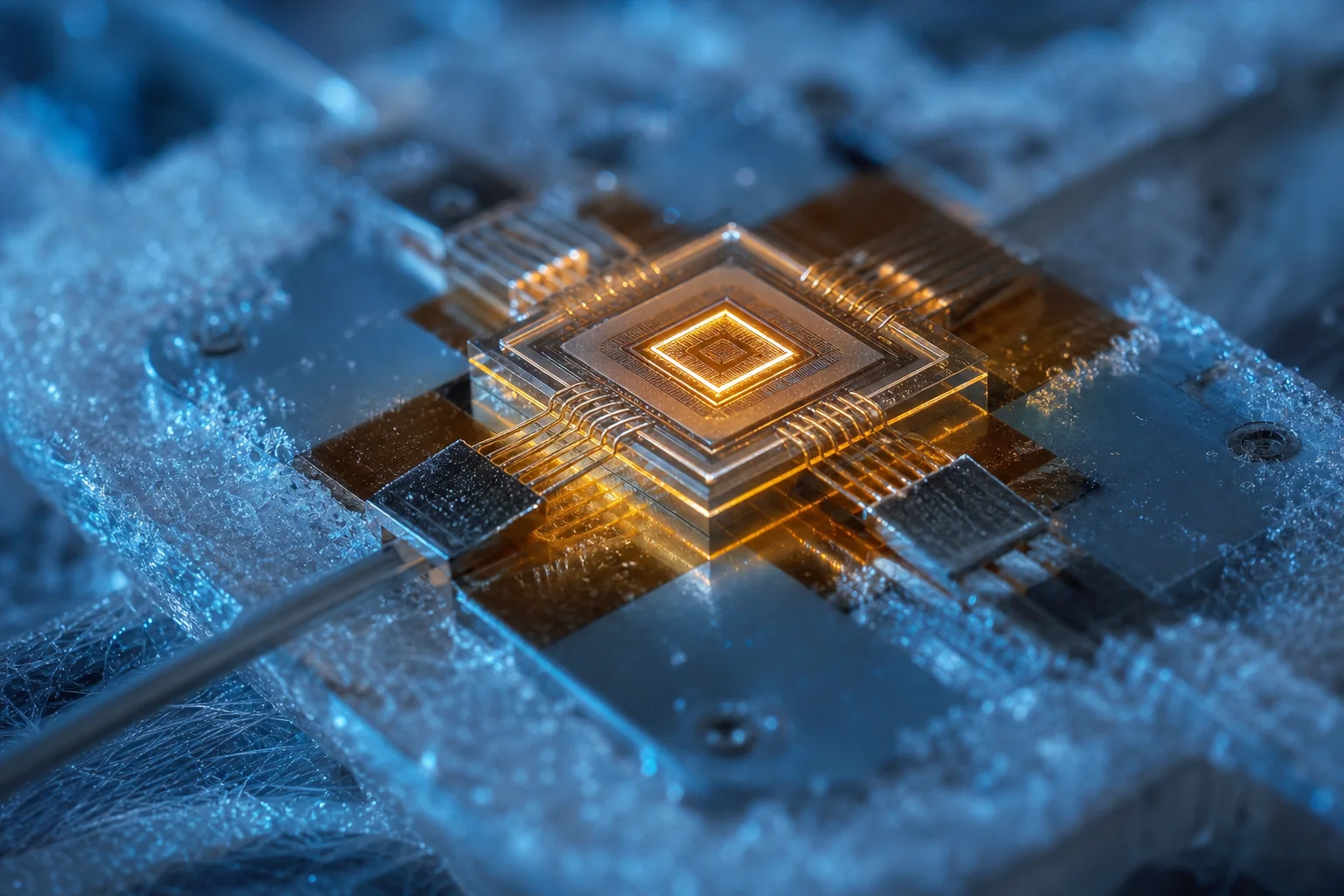
- Dual-input hTron gate
- On-the-fly logic switching
- Less circuit area and wiring
- Gates that can drive gates
- Cold-chip scaling potential
A tiny superconducting switch can now do more than one job, and it can change roles without extra hardware. That matters because cryogenic computers need logic parts that are fast, compact, and easy to wire together. The paper presents a dual-input multilayered heater nanocryotron, or hTron, that adds two-input operation and reconfigurable logic in a single device. The device can switch between logic operations dynamically, instead of relying on separate components for each function. The authors also show that these devices can, in principle, drive one another, which points toward larger integrated circuits. Because the same hardware can be reused for different logic tasks, the design reduces circuit area and simplifies cryogenic and biasing requirements. The result is a practical step toward scalable superconducting computing systems. Superconducting electronics already offer ultralow-loss operation at cryogenic temperatures, and this work pushes that platform toward more flexible on-chip computation and signal handling.
Imagine a chip that lives at near-absolute-zero cold. Every extra wire and part makes it harder to build. This hTron, short for heater nanocryotron, is a heat-driven superconducting switch. Superconducting means current can flow with no resistance when the device is cold. The surprise here is simple. One tiny gate can change its logic job without new hardware. That matters because cold computers need parts that are fast, small, and easy to link. If you have ever packed a suitcase, you know the value of one item doing two jobs. The same idea lets a cryogenic chip fit more function into less space. It also keeps the wiring mess smaller. Less wiring also makes setup easier. That is the real prize.
One gate, two jobs
The device joins two ideas in one package. It takes two inputs. It also supports reconfigurable logic, which means the same hardware can switch tasks. The abstract says it brings 'multi input functionality and reconfigurable logic capability within a single device.' That is a big deal for cold chips. The same device can also, in principle, drive other devices. That makes linked gates look possible. The design also reduces circuit area. It also simplifies cryogenic and biasing requirements. Biasing means the careful electrical setup that keeps a device in the right state.
How heat steers the switch
The hTron uses a heater to nudge a superconducting nanowire. A nanowire is an ultra-thin wire. The wire sits in a stacked layer design. Two inputs can steer the heater, so one gate can act in more than one mode. Heat changes the wire's state. That change gives the circuit its logic effect. The point is not brute force. The point is control. The heater gives the device a clean way to switch without adding more parts. Each mode can serve a different logic need. That helps the design stay compact.
- Quantum computing needs compact cryogenic logic that can sit on one chip.
- High-sensitivity magnetic sensing also needs on-chip signal handling at very low temperatures.
- Reconfigurable logic cuts the need for extra parts and eases wiring.
- Devices that can drive one another open a path to larger superconducting circuits.
“dynamic switching between logic operations without requiring additional components”
“One tiny gate can change its logic job without new hardware.”
Why reconfigurable logic matters
A cold computer pays a price for every extra part. More parts mean more area. More parts also mean more wires and more setup work. This hTron trims that burden because one device can change roles. The abstract says the reconfigurability needs no extra components. That makes one design do more of the work. The result is a cleaner path toward larger superconducting circuits. Those circuits matter for quantum computing. They also matter for high-sensitivity magnetic sensing. In both cases, chip space and wiring are precious.
What must work next
The surprise is that one cryogenic switch can swap jobs without new parts. The next test is simple to name. Can a set of these gates really drive one another in a larger circuit? The abstract says they can, in principle. That makes the linked circuit the key hurdle now. If that works, a superconducting chip could pack more logic into the same cold footprint. That would turn a clever gate into a true building block. The question is no longer whether the device can switch. The question is whether many of them can work together cleanly.
Comments